

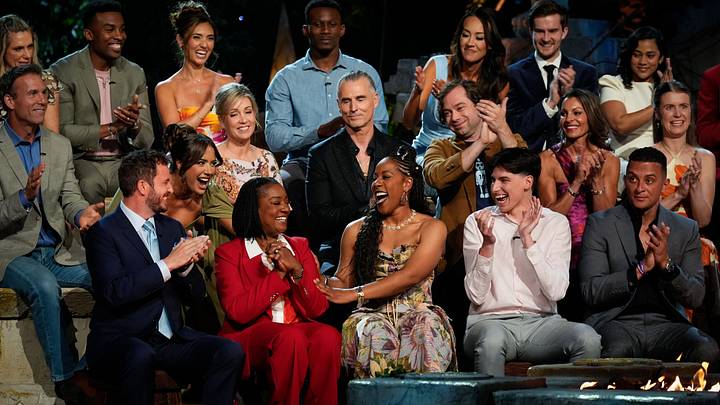
In early seasons ofSurvivor, CBS was the sole author of a castaway’s public persona. A weekly 60-minute episode defined not only the player’s gameplay style, but the truth of the person playing—whether it was right or not.
But the modern fan doesn’t just watch the show anymore. They take in post-episode podcasts, deep-dive YouTube analyses, Reddit threads, and personal Instagramcommentary from the playersthemselves. The media coverage outside of what CBS provides has completely redefined how fans evaluateSurvivorplayers and turned 2D TV characters into 3D public figures.
The podcasting revolution
In the most recent seasons ofSurvivor, after a player gets voted out, the first thing fans do now is turn to the internet to search for exit interviews and other coverage. But it’s the “call coming from inside the house” outlets likeRob Has a Podcast,One Fire withJeff Probst, andThe Pod Has Spokenthat serve as the ultimate platform for voted-out players. With these post-elimination interviews, we’re not just seeing the editor’s perspective of the game. We’re getting full context that was missing from the broadcast entirely.
The amount of exit interviews duringSurvivor 50that included the phrase, “what you didn’t see in the edit was…” became exhausting. But these deep-dive strategic podcasts allow potentially misunderstood or misrepresented players to walk through the logic that led to their decision that may have resulted in their elimination. It shifts fan perception from “terrible player” to “unlucky strategist” by removing us from the world of the show completely.
And with the series’ long-time host as well as former players hosting their own shows, there’s a unique peer-review culture coming into play now. Strategy no longer just happens and fans no longer just react to that. It’s now dissected with professional nuance rather than casual judgement. And when we talk about moves, it’s no longer just what we saw on TV, but rather we have to take all these exit interviews and new perspectives into account.
Social media’s real-time humanization
Players no longer explicitly live on the island in our minds. We now have direct access to them because of social media and are invited into their lives outside of the game, too. From live-tweeting episodes or posting behind-the-scenes tea-spilling TikToks as the show airs, they are given a chance to show their own personal narrative and not just the one the show put together for viewers at home.
The double-edged sword of direct fan contact, however, involves a toxicity that can extend the life of the trauma experienced on the show. So many players over the years have spoken about how hard it is to integrate back into real life after competing on the show—with many of them affirming the use of the show-provided therapy for assistance. But now when a player seemingly makes a dumb move or does something unforgivable in the show, fans don’t just yell at their TV. They yell at the players in the comment section.
And it’s even more enticing to do so when we have a direct line of access to them before the season even begins. Thanks to social media fans feel like they know the players before the first episode even airs, which means if they aren’t the person on screen they act like on social media, they can get instant backlash and targeted harassment.
Before, we used to just hate players likeRussell Hantzfrom the comfort of our own homes. But now, there are entire trends circulating around a player doing something fans feel the need to comment on. It turnsSurvivorcastaways from just seasonal reality TV contestants, to long-term creators and community figures.
So while CBS may create the 90-minute weeklyversion of a playerthey want us to see, the real legacy of a player is written in the post-game podcasts and social media somehow simultaneously after and before their torch is snuffed.
 Add us as a preferred source onGoogle
Loading recommendations... Please wait while we load personalized content recommendations